
About Achi
- Home
- Achi | Sinharaja Tour Guide & Wildlife Naturalist | NatureTrails.lk
I'm Achi. I Grew Up Inside Sinharaja And I've Never Really Left.
Nature & Wildlife Guide | Founder of NatureTrails.lk | Sinharaja Rainforest Specialist
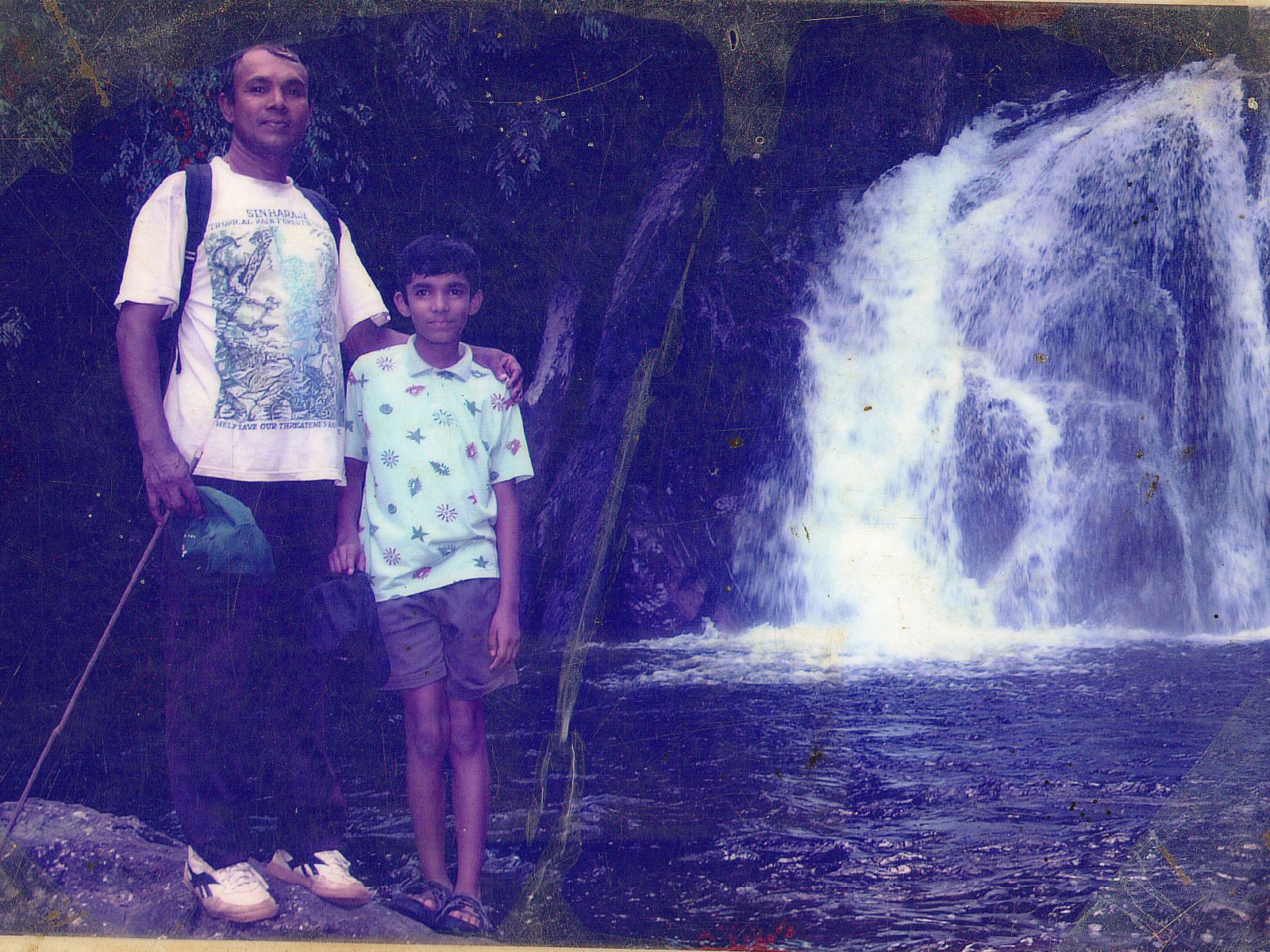
Some guides learn about Sri Lanka’s wildlife from books. I learned it from my father, one of the two men who pioneered nature guiding in Sinharaja Rainforest, before the world knew what lived there. I grew up as Sinharaja’s tourism grew up. The forest was not a workplace I found. It was the world I was born into.
A Different Kind of Guide
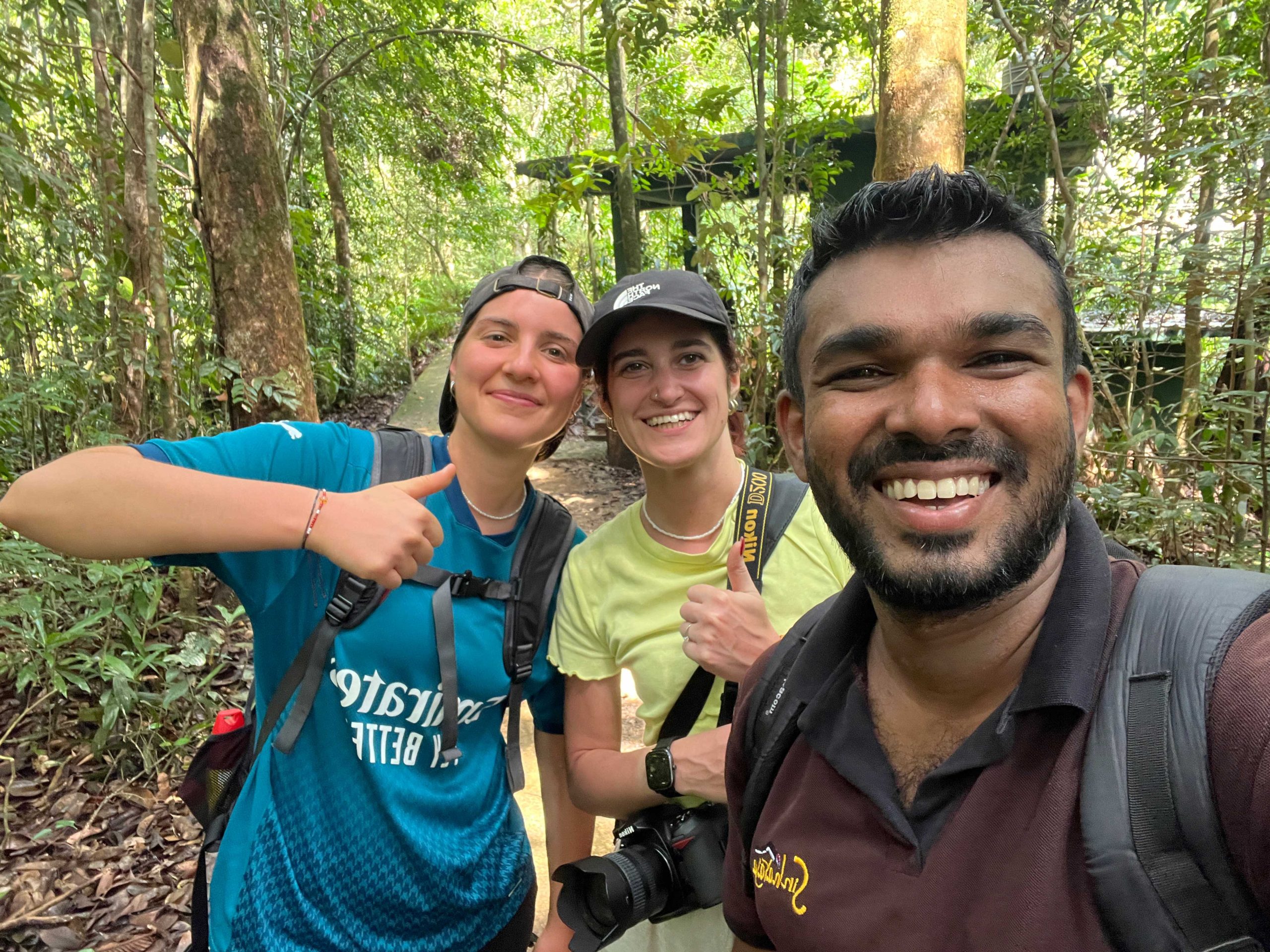
My name is Achi. I am a nature guide, a field naturalist, a certified tourist guides lecturer, and a former software engineer. I hold degrees in Software Engineering, hold higher diplomas and diplomas in Entrepreneurship & Small Business Management, Natural Resources & Ecotourism, and Ornithology. I am certified by the Sri Lanka Tourism Development Authority (SLTDA) as a Southern Province Area Tourist Guide Lecturer.
I have spent nearly nine years guiding in Sinharaja Rainforest, one of the most biodiverse ecosystems on earth, with a depth of knowledge that goes beyond any published field guide. I contribute verified wildlife observations to iNaturalist and have worked directly alongside academic researchers and scientists studying Sri Lanka’s endemic fauna. I am authoring the most comprehensive nature guide training curriculum ever developed for the Sinharaja World Heritage Site which covering herpetology, ichthyology, mammalogy, ornithology, botany, and ecology across the full Rakwana Hills Massif.
Beyond guiding, I volunteer actively in wildlife rescue and rehabilitation because this forest is not just my workplace. It is my home, and its wildlife is my responsibility.
I did not build this knowledge from textbooks. I built it from nearly a decade of daily field observation in one of the world’s last intact tropical rainforests, cross-referenced against primary scientific literature, verified against iNaturalist research-grade records, and tested against the questions of researchers who came here from universities around the world.
Why I Guide the Way I Guide
Most wildlife tours give you a list of animals to see. I give you a forest to understand.
When you walk Sinharaja with me, you are not ticking species off a checklist. You are learning why a particular bird calls from the mid-canopy and not the understory. You are understanding what the presence of a Purple-faced Langur troop tells us about forest health. You are seeing the relationships between species, predator and prey, host and parasite, pollinator and flower that make this ecosystem function.
This is what separates a guide from a naturalist. And it is what I bring to every single walk.
Qualifications That Matter in the Field
- BSc Software Engineering (Chamber of Chartered Java Professionals International)
- Higher Diploma in Entrepreneurship & Small Business Management (University of Colombo)
- Diploma in Natural Resources & Ecotourism (Open University of Sri Lanka)
- First certificate in Ornithology (University of Colombo)
- Certified Southern Province Area Tourist Guide Lecturer — Sri Lanka Tourism Development Authority (SLTDA)
- Nearly 9 years of professional field guiding in Sinharaja Rainforest
- Authoring Sinharaja Master Guide Curriculum, the most rigorous guide training program developed for this ecosystem
- Verified contributor to iNaturalist with research-grade field records
- Collaborator with visiting academic researchers and international scientists
- Active volunteer in wildlife rescue and rehabilitation
- Son and nephew of the two pioneer guides of southern Sinharaja. A second-generation custodian of this forest
Who I Guide
I work with serious wildlife travelers, people who want to understand what they are seeing, not just photograph it. My guests include:
- Wildlife photographers who need a guide who knows exactly where and when to find specific species
- Birdwatchers and ornithologists seeking Sri Lanka’s endemics with scientific context
- Academic researchers and university students requiring a knowledgeable local field collaborator
- Small private groups and families who want a genuine, unhurried experience, not a conveyor-belt tour
I do not run large groups. I do not rush. Every experience I design is built around what the forest is doing on that particular day because no two days in Sinharaja are the same.
