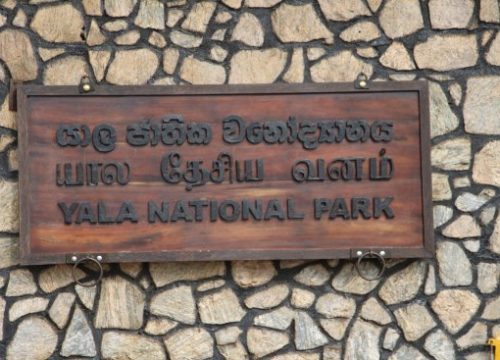
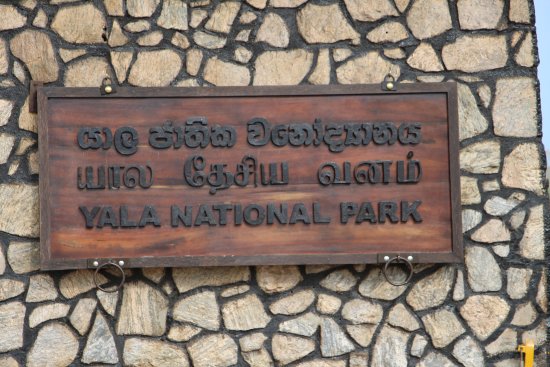
Yala National Park, located in the southeastern region of Sri Lanka, is one of the most popular and frequently visited national parks in the country. Spanning over 979 square kilometers, Yala is renowned for its diverse ecosystems, ranging from dense jungles to lagoons and coastal beaches. It is particularly famous for having one of the highest densities of leopards in the world, making it a top destination for wildlife enthusiasts and photographers. Yala offers an unforgettable experience of Sri Lanka’s rich wildlife and natural beauty, attracting visitors from around the globe.
Historical Background
Yala has a rich history that dates back to ancient times. The park was once a hunting ground for the British elite during the colonial period, but it was later declared a wildlife sanctuary in 1900. In 1938, Yala was designated as a national park, making it one of Sri Lanka’s oldest protected areas. The park is divided into five blocks, with Block 1 and Block 2 being the most accessible to the public, while the others are primarily reserved for research and conservation efforts.
Flora: A Mosaic of Habitats
Yala’s diverse landscapes support a wide variety of plant life, from coastal vegetation to dense forests.
Monsoon Forests: The majority of Yala is covered by monsoon forests, where trees like Palu (Manilkara hexandra), Weera (Drypetes sepiaria), and Satinwood (Chloroxylon swietenia) dominate the landscape.
Grasslands: The park’s grasslands, known as “villus,” are found near water sources and are vital grazing areas for herbivores such as elephants and deer.
Wetlands and Lagoons: The wetlands and lagoons are rich in aquatic plants like lotus and water lilies, which provide food and shelter for a variety of bird species.
Coastal Vegetation: The coastline of Yala is fringed with salt-tolerant mangroves and salt marshes, providing a unique habitat for marine and birdlife.
Fauna: Wildlife Paradise
Yala is home to a wide range of wildlife, making it one of the best places in Sri Lanka for wildlife viewing.
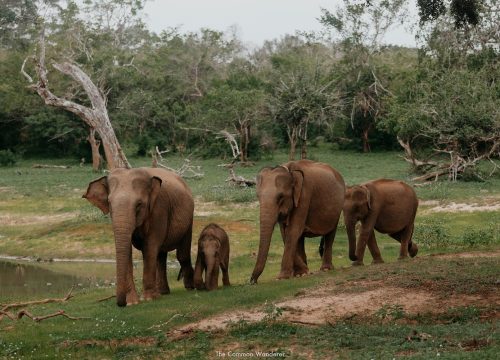
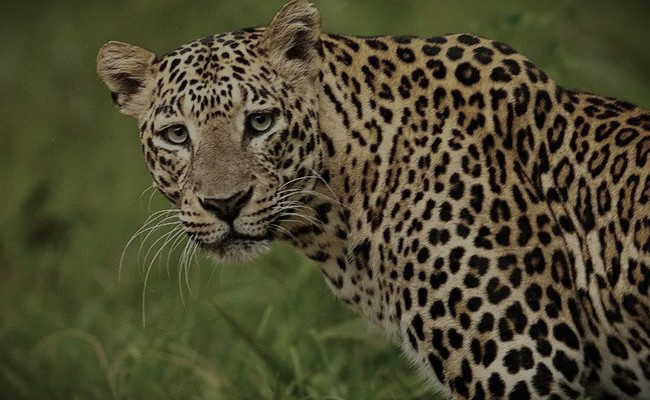
Mammals: The park is most famous for its leopards (Panthera pardus kotiya), which are the apex predators of the area. Yala’s leopard population is one of the highest densities in the world, and the leopards are relatively easy to spot, especially during early mornings and late afternoons. In addition to leopards, Yala is home to Sri Lankan elephants, sloth bears, sambar deer, spotted deer, water buffalo, and wild boars.
Birds: Yala is a birdwatcher’s paradise with over 215 species recorded. Highlights include the Sri Lanka Junglefowl, Sri Lanka Grey Hornbill, etc. The park is also a crucial habitat for migratory birds such as the Eurasian Spoonbill, and Painted Stork.
Reptiles and Amphibians: The park is home to several reptile species, including crocodiles, Indian python, monitor lizard etc.
Marine Life: Yala’s coastal area is a nesting ground for endangered sea turtles like the Olive Ridley, Leatherback, and Green Turtle.