Anawilundawa Bird Sanctuary, nestled between the coast and the interior of Sri Lanka, is a hidden gem for birdwatchers and nature enthusiasts. Located in the Puttalam District, this sanctuary covers an area of about 1,397 hectares and is recognized as one of the most important wetland habitats in the country. The sanctuary is part of Sri Lanka’s Ramsar Wetlands, which are wetlands of international importance, especially as waterfowl habitats. Anawilundawa is renowned for its rich biodiversity, with a wide variety of bird species, both resident and migratory, making it a must-visit destination for those seeking to explore the natural beauty and avian wonders of Sri Lanka.
Historical and Ecological Significance
Anawilundawa Bird Sanctuary has a long history of being an important ecological site. The sanctuary is part of a complex system of ancient man-made reservoirs or “tanks” that were built by ancient kings to irrigate the surrounding lands. These tanks, including the six main ones in Anawilundawa, have created a unique wetland ecosystem that supports a diverse range of species.
The sanctuary’s designation as a Ramsar Wetland underlines its global importance as a habitat for waterfowl and other wildlife. The wetlands provide critical breeding and feeding grounds for numerous bird species, making it an essential conservation area.
Flora: A Wetland Ecosystem
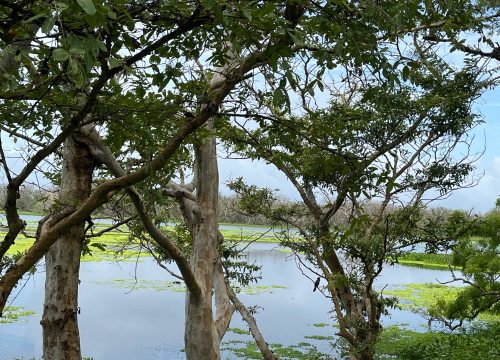
The unique wetland ecosystem of Anawilundawa Bird Sanctuary is characterized by a variety of aquatic and semi-aquatic plant species that thrive in the sanctuary’s reservoirs, marshes, and surrounding areas.
Aquatic Plants: The tanks and marshes are home to a variety of aquatic plants, including water lilies (Nymphaea spp.), lotus (Nelumbo nucifera), and various species of submerged and floating vegetation. These plants provide essential habitat and food sources for the sanctuary’s diverse birdlife.
Grasslands and Marshes: The areas surrounding the tanks are covered with grasslands and marshes, which support a variety of herbaceous plants and shrubs. These habitats are crucial for nesting birds and other wildlife.
Riparian Vegetation: The sanctuary’s waterways are lined with riparian vegetation, including trees and shrubs that provide shade and shelter for birds and other animals. Common species include Kumbuk (Terminalia arjuna) and Weera (Drypetes sepiaria).
Fauna: A Birdwatcher’s Paradise
Anawilundawa Bird Sanctuary is a haven for birdlife, with over 150 species of birds recorded in the area. The sanctuary’s diverse habitats support a wide range of resident and migratory bird species, making it a prime destination for birdwatchers.
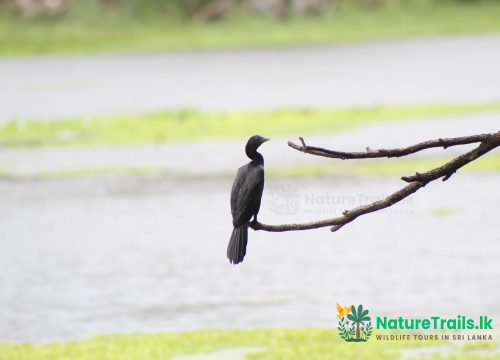
Resident Birds: The sanctuary is home to a variety of resident bird species, including the endemic Sri Lanka Junglefowl, the Sri Lanka Grey Hornbill, and the Sri Lanka Hanging Parrot. Other commonly seen resident birds include the Indian Peafowl, Little Cormorant, and Purple Heron.
Migratory Birds: Anawilundawa is a key stopover for migratory birds that travel along the Central Asian Flyway. During the migratory season, from September to April, the sanctuary comes alive with thousands of migratory birds, including species such as the Northern Pintail, Garganey, and the Black-tailed Godwit. The sanctuary is also an important wintering ground for the Greater Flamingo, which can be seen in large flocks during this period.
Waterfowl and Waders: The sanctuary’s wetlands are teeming with waterfowl and waders, including species such as the Indian Spot-billed Duck, Lesser Whistling Duck, and various species of herons, egrets, and storks. The shallow waters and mudflats provide ideal feeding grounds for these birds.
Other Wildlife: In addition to birds, Anawilundawa is home to a variety of other wildlife, including reptiles, amphibians, and mammals. Commonly seen species include the Asian Water Monitor, the Indian Star Tortoise, and various species of frogs and toads. The sanctuary is also home to small mammals such as the Indian Grey Mongoose and the Fishing Cat.
Key Attractions
Anawilundawa Bird Sanctuary offers a range of attractions that showcase the sanctuary’s rich biodiversity and natural beauty.
Birdwatching: Birdwatching is the main attraction at Anawilundawa, with the sanctuary offering excellent opportunities to observe a wide variety of bird species in their natural habitat. Early morning and late afternoon are the best times for birdwatching, when the birds are most active.
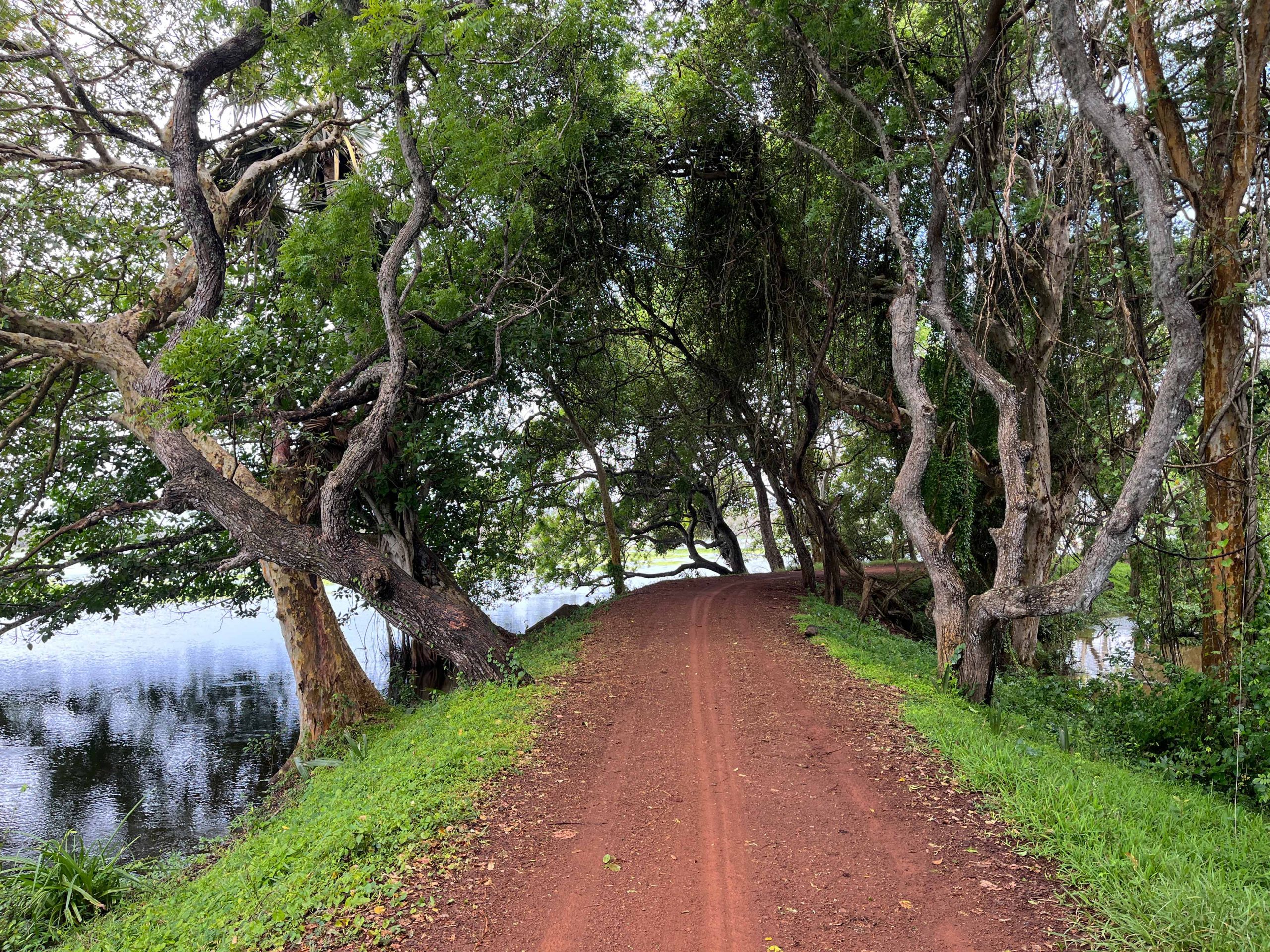
Nature Trails: The sanctuary has several nature trails that wind through the wetlands, offering visitors the chance to explore the diverse habitats and observe the wildlife up close. The trails are suitable for all levels of fitness and provide stunning views of the tanks and surrounding landscapes.
Photographic Opportunities: Anawilundawa’s picturesque landscapes and abundant wildlife make it a paradise for photographers. The sanctuary offers endless opportunities for capturing stunning images of birds in flight, serene wetland scenes, and vibrant sunsets over the tanks.