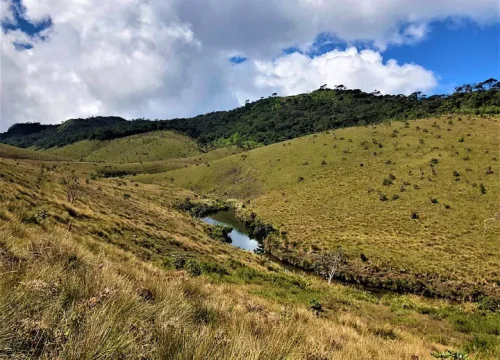
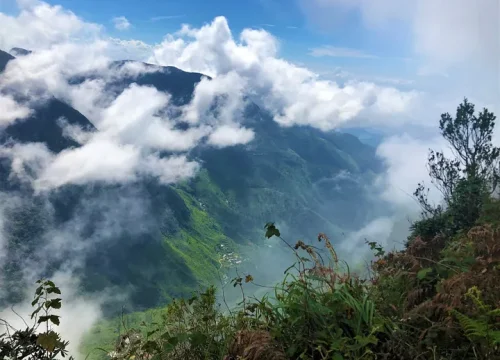
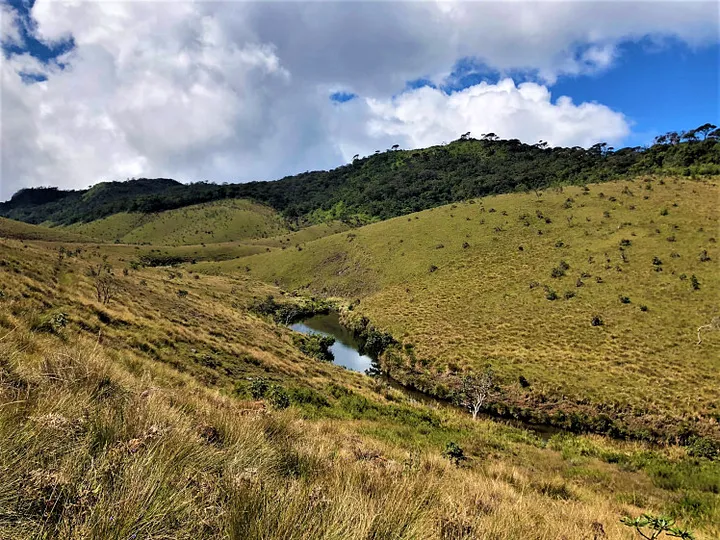
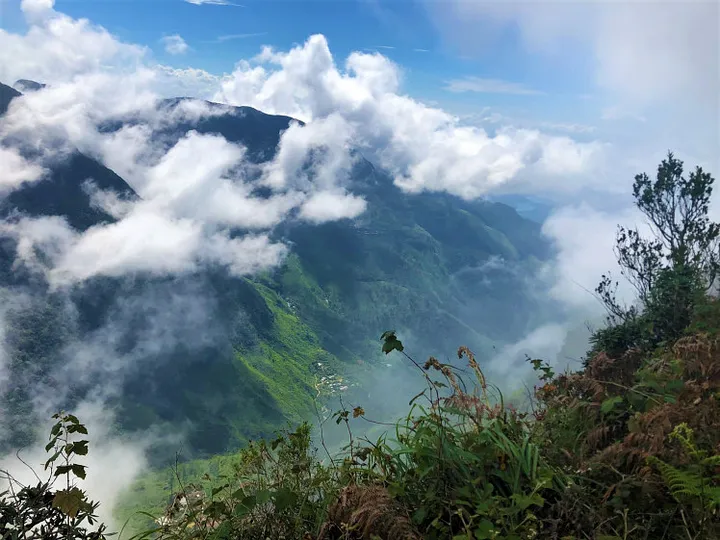
Horton Plains National Park, located in the central highlands of Sri Lanka, is a UNESCO World Heritage Site and one of the most scenic and ecologically important regions in the country. Situated at an elevation of over 2,100 meters, the park covers an area of 3,160 hectares and is renowned for its mist-covered grasslands, lush montane forests, crystal-clear streams, and dramatic landscapes. Horton Plains is home to a rich diversity of flora and fauna, many of which are endemic to Sri Lanka. The park’s cool climate, combined with its unique natural beauty, makes it a must-visit destination for nature lovers, hikers, and wildlife enthusiasts.
Historical and Cultural Significance
Horton Plains has a rich history that dates back to ancient times. The plains were originally known as “Maha Eliya” by the Sinhalese people, meaning “Great Plains.” The area was later renamed Horton Plains in the 19th century by the British after Sir Robert Wilmot-Horton, the then British Governor of Ceylon.
The park holds cultural significance for the indigenous Vedda people, who have traditionally used the area for hunting and gathering. Additionally, the park is home to several ancient sites, including stone tools and artifacts, which provide insight into the prehistoric inhabitants of the region.
Flora: A Botanical Wonderland
Horton Plains National Park is a botanical treasure trove, with a wide variety of plant species that are adapted to the park’s unique montane environment.
Montane Grasslands: The park’s rolling grasslands are dominated by tussock grasses, which create a lush, green carpet across the landscape. These grasslands are interspersed with patches of shrubs and wildflowers, including species.
Cloud Forests: The montane cloud forests of Horton Plains are characterized by dense vegetation, with trees draped in mosses, lichens, and orchids. The cloud forests are home to several endemic tree species.
Endemic Flora: Horton Plains is home to over 750 species of flowering plants, many of which are endemic to Sri Lanka.
Fauna: A Wildlife Haven
The diverse habitats of Horton Plains support a wide variety of wildlife, making it an important conservation area for both endemic and endangered species.
Mammals: The park is home to 24 species of mammals, including the Sambar deer, which is the most commonly seen mammal in the park. Other mammals that inhabit the park include the endemic purple-faced langur, the toque macaque, the Sri Lankan leopard, etc.
Birds: Horton Plains is a birdwatcher’s paradise, with over 87 species of birds recorded in the park, including 21 endemic species. Notable sightings include the Sri Lanka Whistling Thrush, the Sri Lanka Bush Warbler, and the Dull-blue Flycatcher. The park is also home to several migratory bird species, making it an important bird conservation area.
Reptiles and Amphibians: The park is home to several species of reptiles and amphibians, many of which are endemic to Sri Lanka. Notable examples include the endemic Black-lipped Lizard, the Rhino Horned Lizard, etc.
Insects and Butterflies: Horton Plains is also home to a variety of insects and butterflies, including several endemic species. The park’s grasslands and forests provide habitat for species such as the endemic Sri Lankan Birdwing butterfly, etc.
Key Attractions
Horton Plains National Park offers a range of natural attractions that showcase the park’s breathtaking landscapes and unique biodiversity.
World’s End: One of the park’s most famous attractions is World’s End, a sheer cliff with a drop of about 870 meters, offering panoramic views of the surrounding valleys and tea plantations. On clear days, visitors can see as far as the southern coast of Sri Lanka.
Baker’s Falls: This picturesque waterfall is named after Sir Samuel Baker, a British explorer who was one of the first Europeans to explore the area. The falls cascade down a series of rocky steps, surrounded by lush vegetation, making it a popular spot for photography.
Mini World’s End: Similar to World’s End, Mini World’s End is another dramatic cliff located within the park, with a drop of about 270 meters. It offers stunning views of the valley below and is a popular stop on the park’s main hiking trail.
Kirigalpotta and Thotupola Kanda: These are the second and third highest peaks in Sri Lanka, respectively. Both peaks offer challenging hikes and stunning views of the surrounding landscapes. The trails leading to these peaks pass through diverse habitats, including cloud forests and grasslands.etc