Sinharaja Herping Tours, Day and Night Wildlife Experiences (One Day or Multiple Days)
Most people come to Sinharaja for the birds. That is completely understandable. But after nine years in this forest I want to tell you honestly that the reptiles and amphibians here are among the most extraordinary on earth. Not just by Sri Lankan standards. By any standard. And almost nobody talks about them the way they deserve to be talked about. That is what these tours are about.
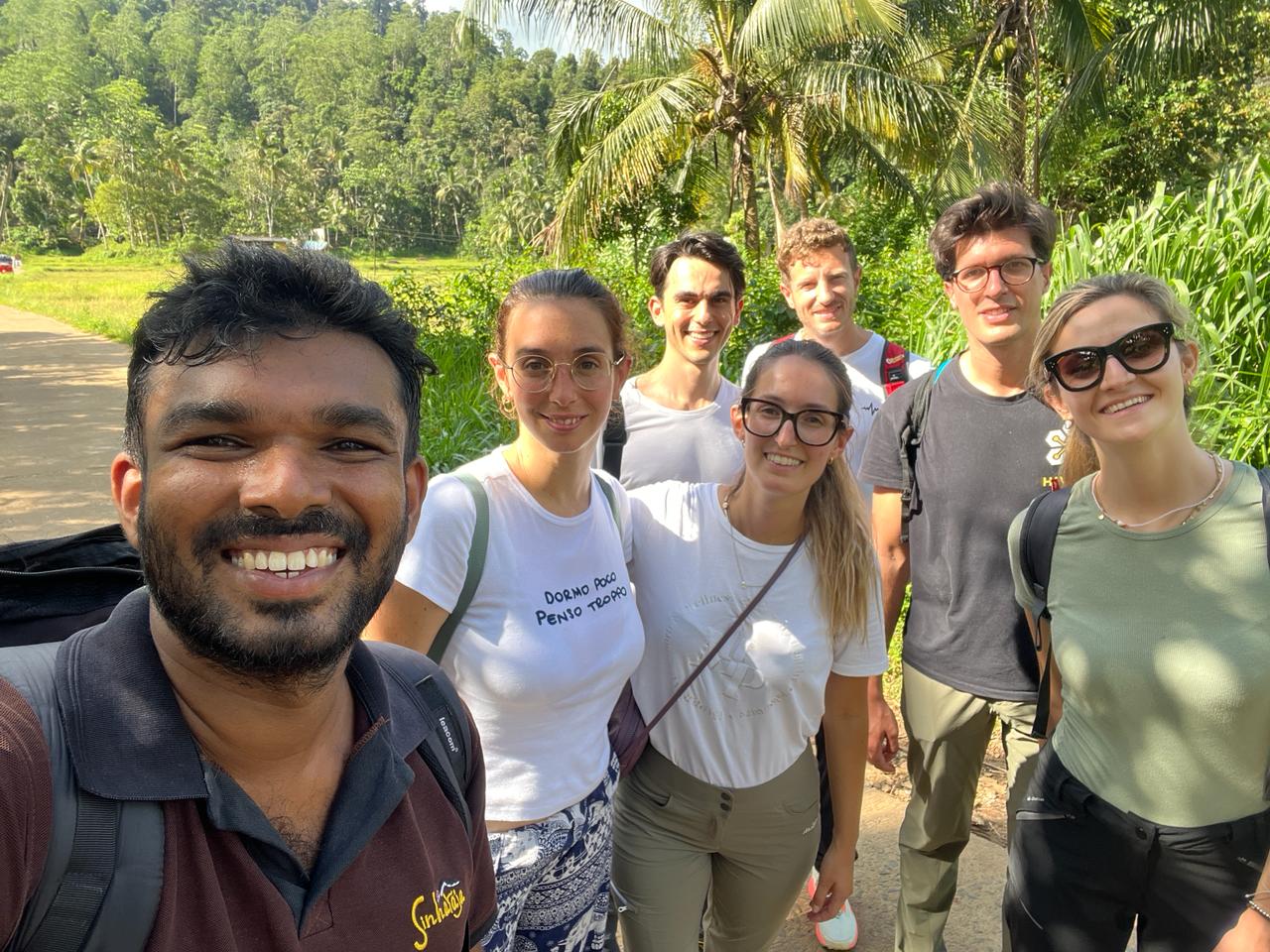
I am Achi, a field naturalist, SLTDA-certified guide and tourist guides lecturer. I have spent nine years actively researching, recording and learning the herpetofauna of Sinharaja at a scientific level, contributing verified field records to iNaturalist and working alongside academic researchers studying Sri Lanka’s endemic reptiles and amphibians
What a Herping Tour in Sinharaja Is Like
A Sinharaja herping tour is fundamentally different from a standard wildlife tour. The pace is slower. The focus is sharper. The rewards go deeper.
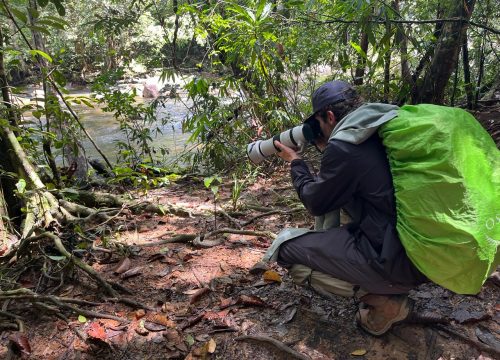
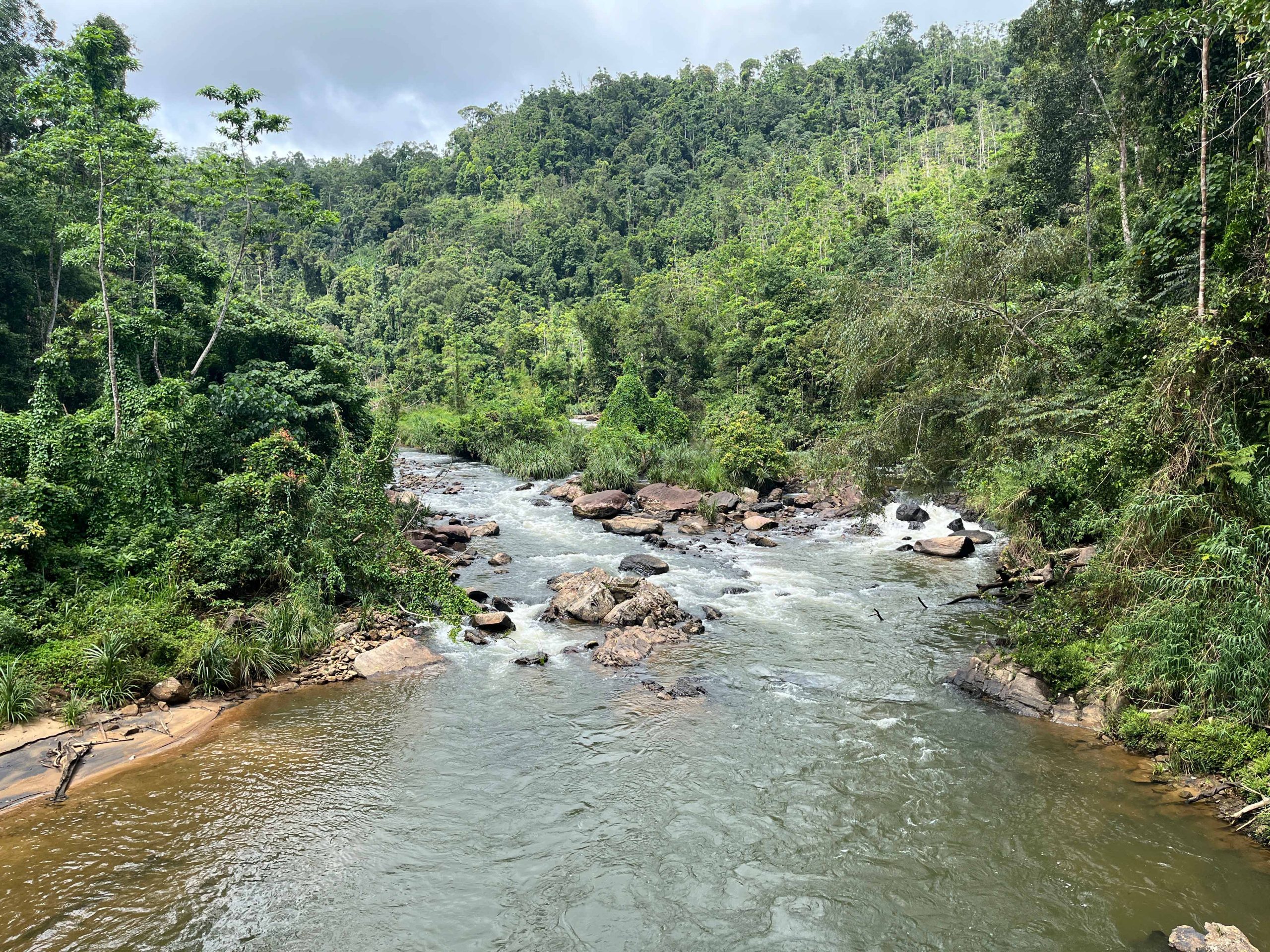
We move through the forest methodically, checking undersides of leaves, edges of streams, leaf litter along the trail and branches at every level. I teach you what to look for and where to look for it, because finding reptiles and amphibians in a dense tropical rainforest is a learned skill, not a matter of luck.
Every species we encounter becomes a proper conversation about its ecology, behaviour, evolutionary history and conservation status. By the end of the day you will not just have a list of animals you saw. You will understand something real about how this forest works and why these creatures matter within it.
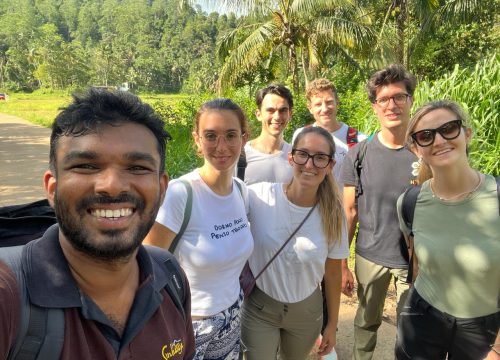
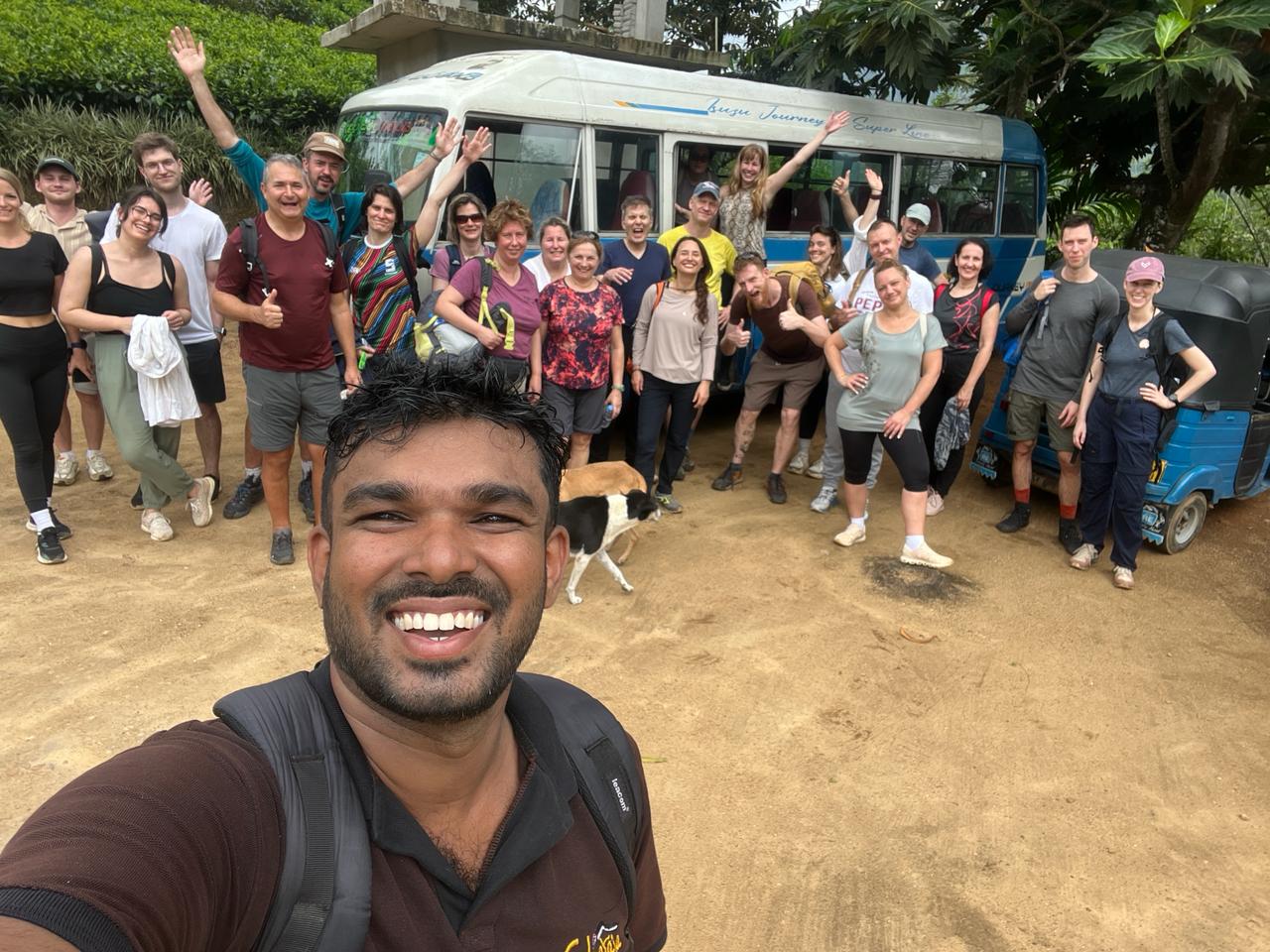
Tours are available as full day experiences or multi-day expeditions for those who want to explore different elevation zones across the Sinharaja and Rakwana Hills. Each tour is private and shaped around your interests and experience level, whether you are a professional herpetologist or someone encountering these animals for the first time.
Reptiles and Amphibians You Can See
Snakes
Sinharaja is home to a remarkable diversity of snake species, from iconic venomous vipers to slender, fast-moving arboreal racers. Here are the species most frequently encountered on our herping tours:
Green Pit Viper (Trimeresurus trigonocephalus) — The most frequently seen snake in Sinharaja and one of the most beautiful. Brilliant emerald green with a cryptic pattern that makes it almost invisible against forest foliage. Found coiled on low branches over streams, particularly at night. Venomous but not aggressive — the vast majority of encounters are calm and extended.
Hump-nosed Pit Viper (Hypnale hypnale) — Small, perfectly camouflaged, and easily overlooked on the forest floor. One of Sri Lanka’s most medically significant snakes due to its prevalence near human settlements, but in the forest context a fascinating and beautiful animal. Finding one well requires a trained eye.
Sri Lanka Krait (Bungarus ceylonicus) — An endemic and rarely seen species that becomes more active after dark. Night herping tours significantly improve the chances of a sighting. Distinctive black and white banding. A genuinely exciting find for any serious herper.
Green Vine Snake (Ahaetulla nasuta) — Slender, bright green, and extraordinarily elegant. Moves through vegetation with fluid precision. Often encountered in the forest understorey and edges. Non-venomous and completely harmless to humans.
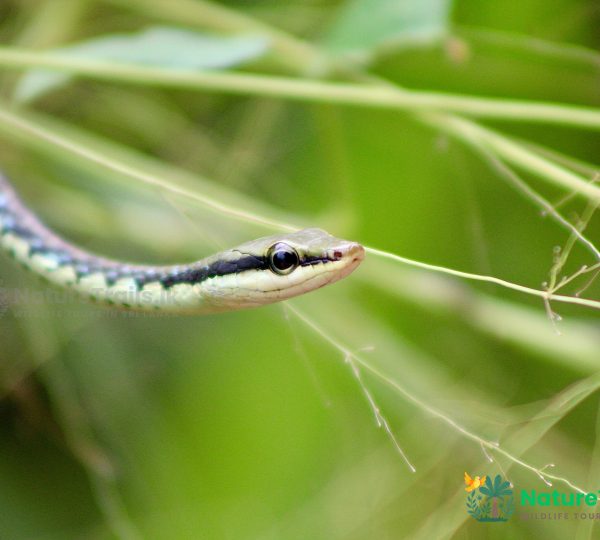
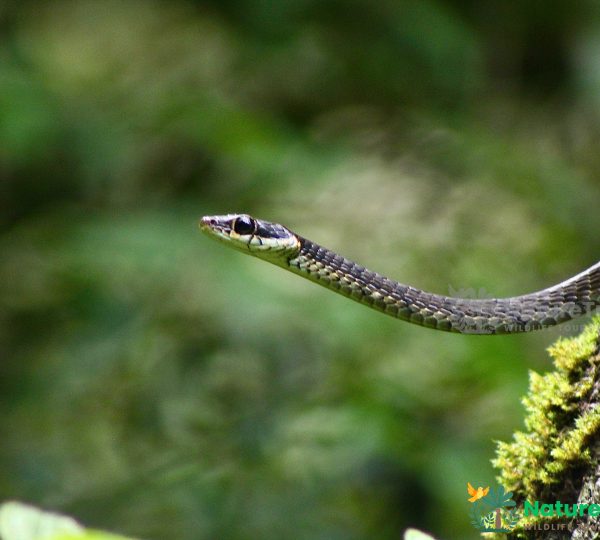
Bronzebacks (Dendrelaphis spp.) — A fast-moving, diurnal racer of the mid-canopy. Iridescent bronze and green colouration that catches the light beautifully. Requires quick eyes to follow.
Cat Snakes (Boiga spp.) — Nocturnal and arboreal, with large eyes adapted for low-light hunting. Several species are present in Sinharaja and night tours regularly produce sightings.
Aspidura species — Small, secretive fossorial snakes of the deep forest litter layer. Rarely encountered by casual visitors but present throughout the Sinharaja–Rakwana Hills complex. Field records from specific locations within the massif have produced scientifically significant range observations in recent years.
[Explore More About Snakes of Sinharaja Rainforest]
[Explore More About Amphibians of Sinharaja Rainforest]
Lizards
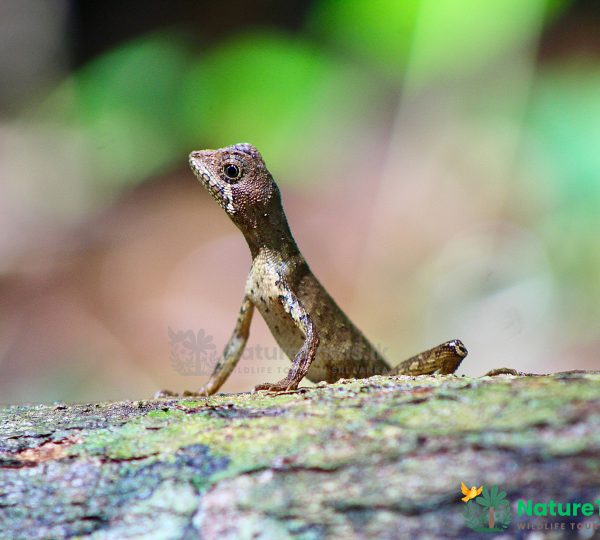
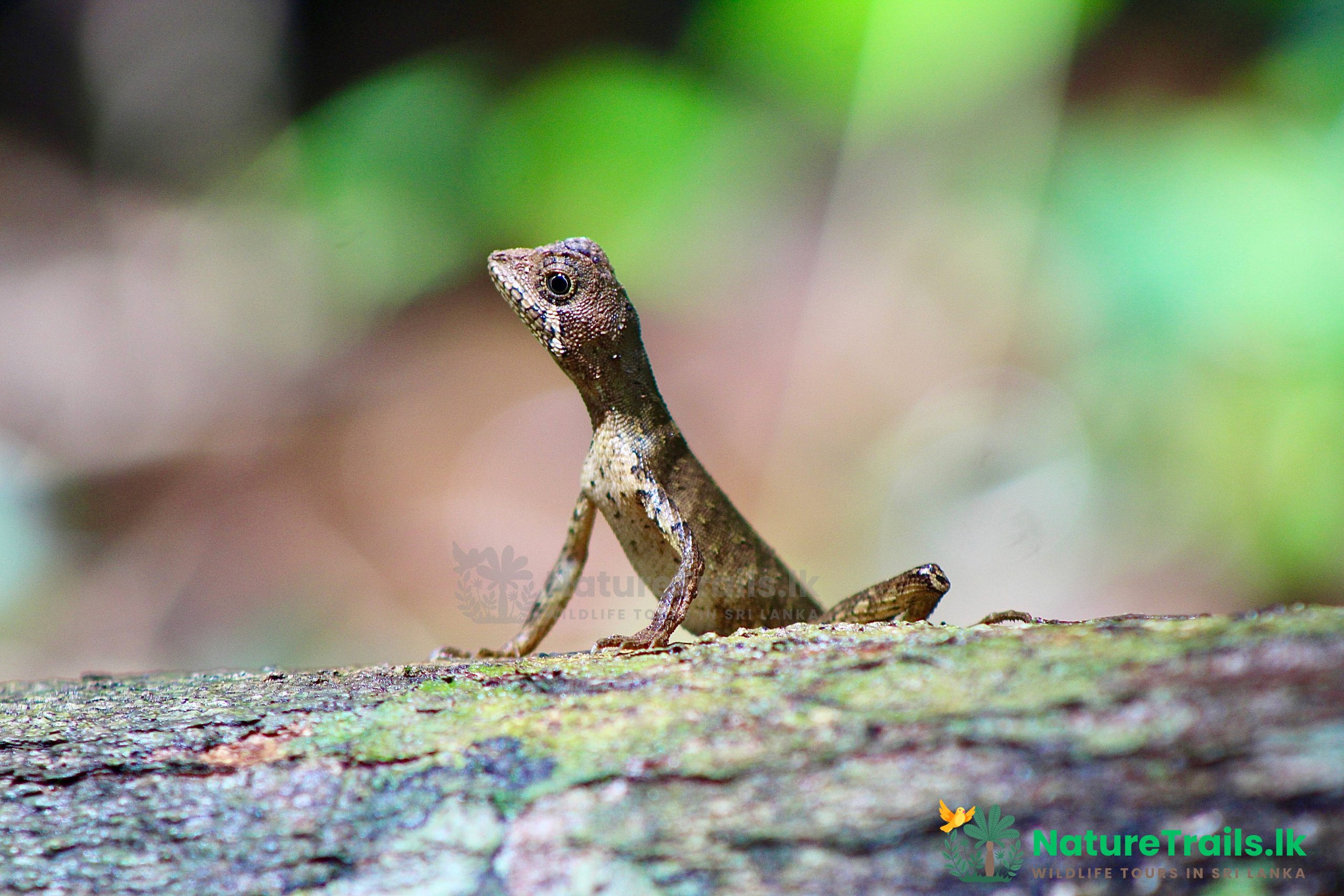
Kangaroo Lizard (Otocryptis wiegmanni) — One of the most charming animals in the forest and always a highlight for first-time visitors. A small, slender lizard of the forest floor that runs bipedally on its hind legs when alarmed. Watching this happen for the first time is genuinely delightful. Endemic to Sri Lanka.
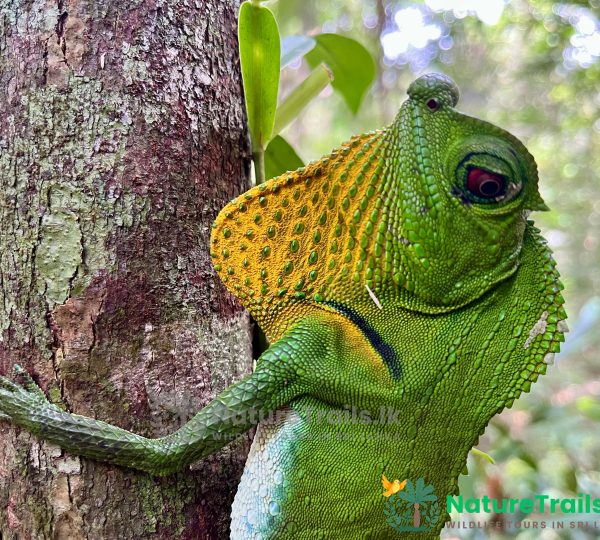
Hump-nosed Lizard (Lyriocephalus scutatus) — Slow-moving, ancient-looking, and utterly distinctive. A large arboreal agamid with a pronounced nasal protrusion that makes it look like something from a different era entirely. One of the most photogenic animals in Sinharaja.
Sri Lanka Green Garden Lizard (Calotes calotes) — Bright green, conspicuous, and frequently encountered at forest edges and in the lower canopy. Males develop vivid orange and red head colouration during the breeding season.
Lankascincus skinks — Multiple species of these small, ground-dwelling endemic skinks inhabit the forest floor and leaf litter. Easy to overlook but rewarding to find and identify.
Amphibians — Where Sinharaja Stands Apart
This is the part of the herping tour that I am most passionate about and the part that surprises most visitors most profoundly.
Sri Lanka has one of the highest amphibian endemism rates of any country on earth. The vast majority of those endemic species are found in the wet zone forests of the southwest and Sinharaja is their stronghold.
Shrub frogs and tree frogs — Sri Lanka’s extraordinary endemic tree frogs, with multiple species confirmed across the different elevation zones of the Sinharaja–Rakwana Hills complex. Many species were described from specimens collected within just a few kilometres of each other. Sitting beside a Sinharaja stream at night during the wet season and listening to the chorus of shrub frog and tree frog calls from the surrounding vegetation is one of the most remarkable wildlife experiences I know.
Nannophrys toads — Found exclusively on wet rock surfaces along the fast-flowing streams of the forest interior. Perfectly camouflaged against the granite and moss. Finding one requires patience and a very close look at surfaces that appear, at first glance, completely empty.
Ichthyophis caecilians — Limbless, burrowing amphibians that most visitors never encounter. These ancient animals represent one of the most evolutionarily primitive amphibian lineages on earth. Encountering one in the field is a genuinely rare experience.
Species availability varies by season, time of day, elevation, and rainfall. I will always advise you honestly on the best timing for your specific target species before you book.
Ethical Herping Practice
Every tour I run follows a strict no-disturbance policy. We observe animals in their natural state. We do not handle venomous species. We do not move animals for photography. We do not collect specimens. The forest and its wildlife are treated with the respect they deserve because this is not just a workplace for me. It is the ecosystem I have dedicated my professional life to understanding and protecting.
All guests receive leech socks, a full safety briefing, and species identification guidance before entering the forest.
- Duration: Depends on your requirements.
- Inclusions: Well-experienced naturalists, packed lunch, bottled water, entrance fees, and all taxes and fees
- Meeting Point: Depends on the entrance
- End Point: The tour ends at the meeting point
- Pickup Details: Please contact us for arrangements
- Confirmation: Provided after finalizing details
- Private Tour: Personalized experience for your group
Sinharaja herping tours run year-round. Each tour is private, personalised, and built around what the forest is doing on the day of your visit.
If you are a professional herpetologist, a wildlife photographer specialising in reptiles and amphibians, or simply someone who wants to experience a side of Sinharaja that most visitors never see, I would be glad to take you in.
It’s time to book your Sinharaja Rainforest Reptile Watching Tour with NatureTrails.lk. Contact us via +94767908897 or info@naturetrails.lk for more information